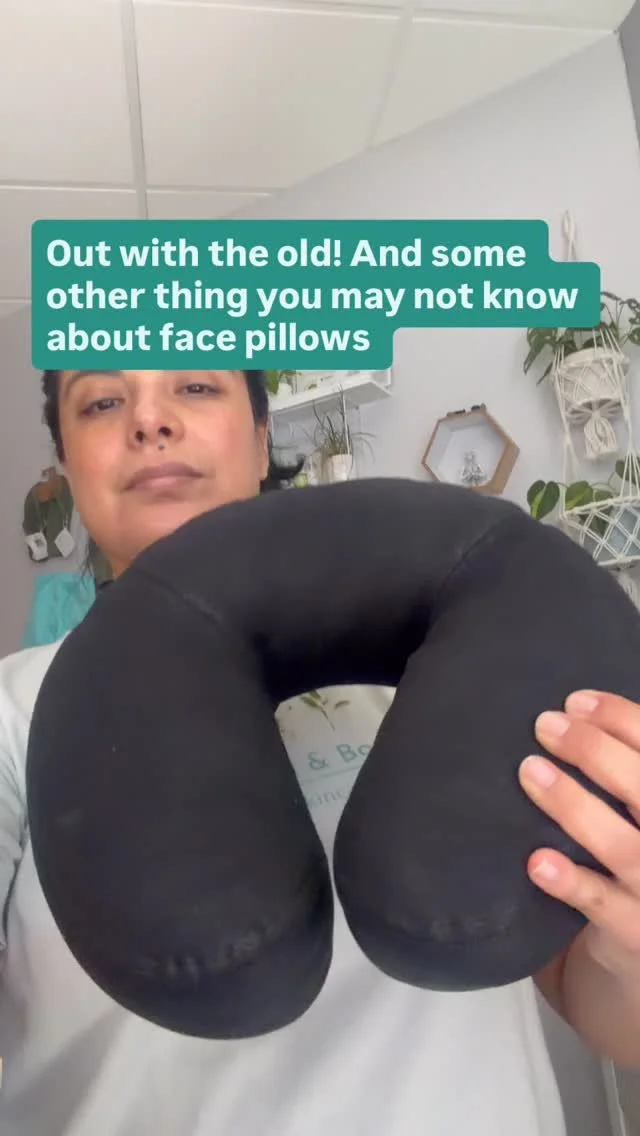
Why Cupping Is One of My Most-Used Massage Techniques
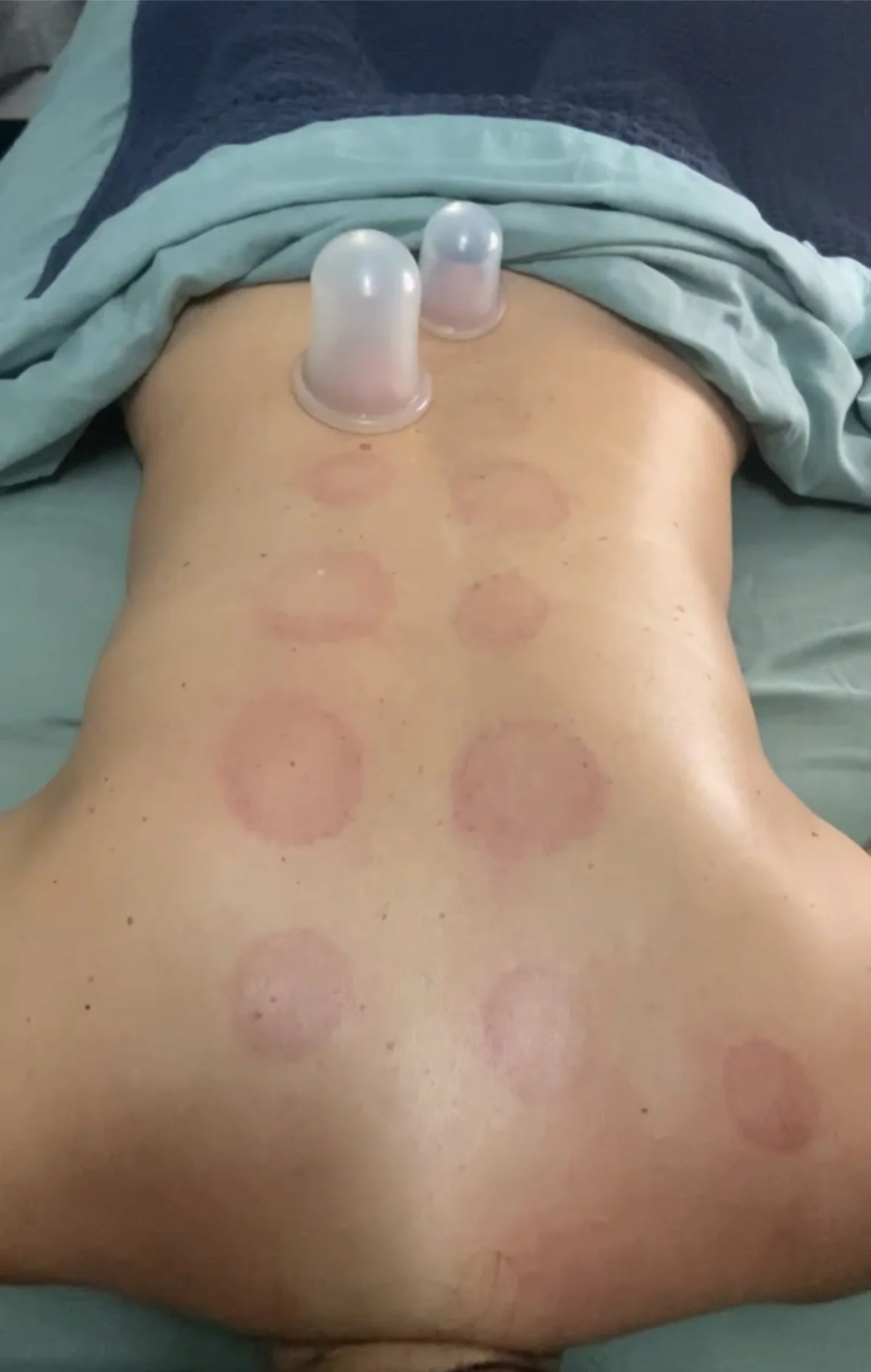
Cupping has become one of the most requested and most misunderstood modalities in massage. Many people recognize the circular marks but don’t actually know what cupping feels like or how it works when it’s done thoughtfully and gently.
In my practice, cupping isn’t something separate from the massage. It’s an extension of my hands. And that’s exactly why it’s one of the techniques I use most often.
What Cupping Actually Does for the Body
At its core, cupping works by creating gentle suction that lifts the tissue rather than compressing it.
This helps:
Increase circulation to tight or stagnant areas
Encourage lymphatic flow and drainage
Release fascial restrictions
Reduce chronic muscle tension
Support the body’s natural healing response
Instead of pushing down into already tight tissue, cupping gently creates space. That space allows muscles, fascia, and the nervous system to soften in a way that often feels surprisingly relieving.
Gentle, Flowing, and Integrated Not Aggressive
A lot of people assume cupping has to be intense to be effective. That hasn’t been my experience at all.
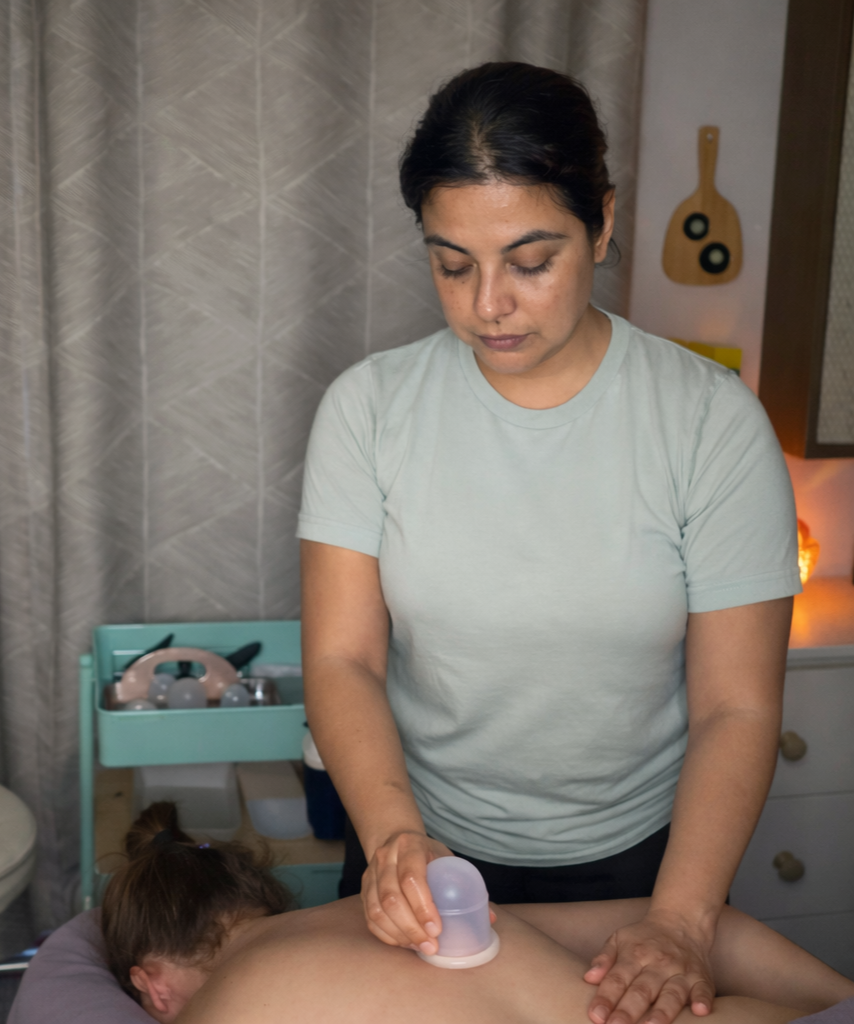
The way I incorporate cupping is slow, intentional, and always guided by how your body responds in the moment. The cups are rarely left “just sitting there.” Instead, I glide them through the tissue, combine them with hands-on massage, and adjust pressure continuously.
Think of it less as a separate technique and more like an extension of my palms, working with your body, not forcing it.
This approach allows cupping to be:
Effective without being overwhelming
Supportive rather than aggressive
Deep, yet calming to the nervous system
Many clients are surprised by how relaxing it feels, especially when they’ve only seen cupping used in more intense settings.
Why It Feels So Calming (Even Though It’s Doing Real Work)Benefits of Cupping Massage for Chronic Tension and Stress
One of the reasons cupping has become such a core part of my therapeutic massage sessions is how it affects the nervous system.
When the body feels safe, it lets go.
The slow, rhythmic movement of the cups, combined with intentional breath and touch, helps signal to your system that it doesn’t need to stay guarded. This is often when deeper, longer-lasting relief happens not because we pushed harder, but because the body was finally ready to release.
Clients often describe feeling:
A deep sense of relaxation during the session
Less soreness afterward compared to deep pressure alone
Improved mobility and ease of movement
A quieter, calmer mental state
Why I Use Cupping So Often in Therapeutic Massage
I reach for it often because it allows me to work:
More efficiently with stubborn tension
More gently with sensitive or overworked muscles
More holistically with both physical and nervous system stress
For many clients, especially those dealing with chronic tension, stress, or burnout, cupping helps us get results without the session feeling like “too much.”
Curious If Cupping Is Right for You?
If you’re exploring therapeutic massage and want something that’s both effective and deeply calming, cupping may be a supportive addition to your session.
I talk more about how this fits into my overall approach on my Therapeutic Massage page where you can learn how each session is tailored to what your body actually needs that day.
If you ever have questions or concerns, I’m always happy to talk through what will feel best for you before we ever begin. Your body doesn’t need force to heal. It needs support, patience, and the right kind of touch.

Hi, I’m Lety
Licensed massage therapist and holistic esthetician with 20+ years of experience. I specialize in customized skincare and bodywork that support real, lasting results. On the blog, you’ll find expert tips, ingredient insights, and wellness advice to help you feel confident in your skin and connected to your body.
Check us out on Instagram